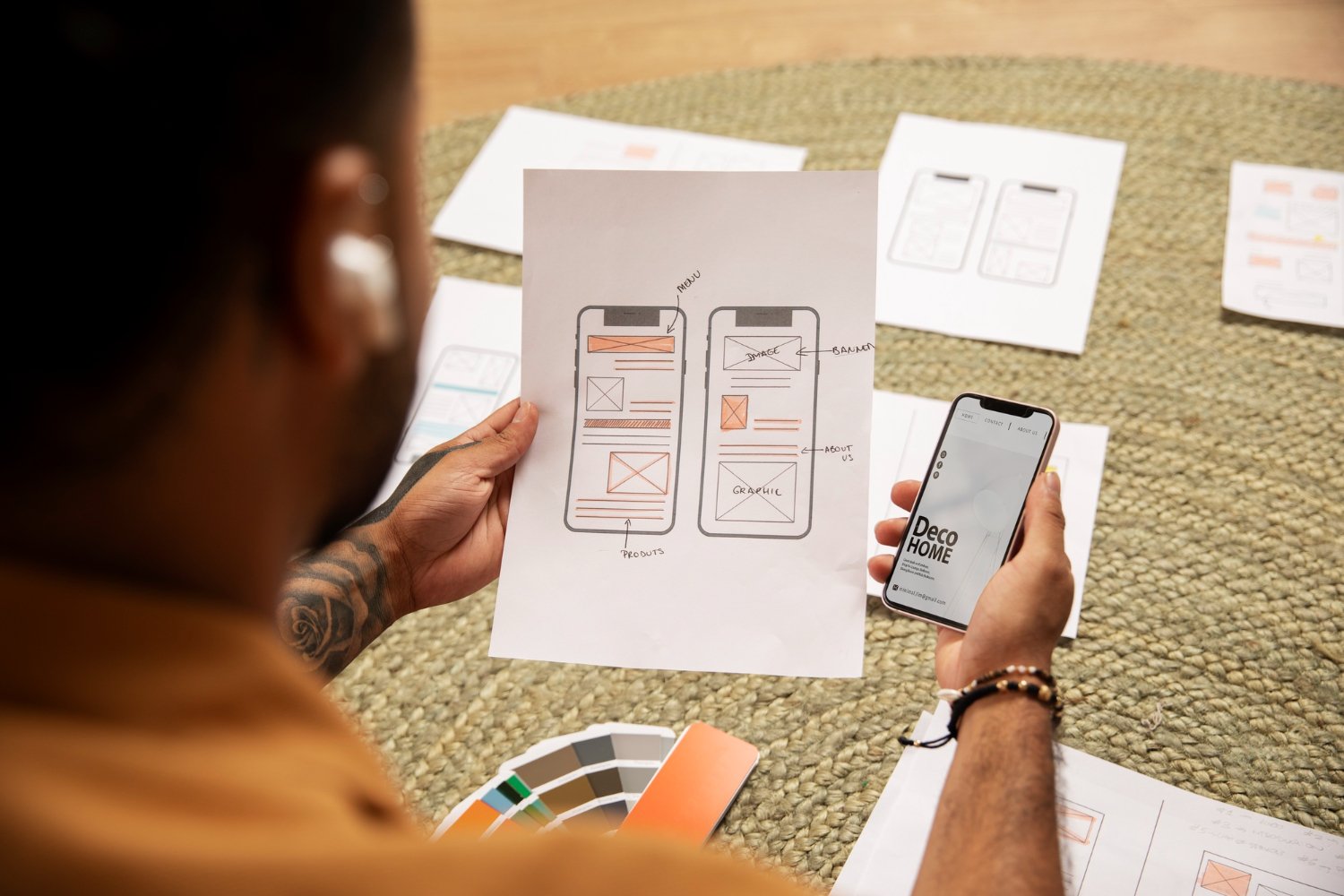
How to Conduct User Research for Your Design Project
User research is the foundation of successful design projects. By understanding your users' needs, preferences, and pain points, you can create solutions that truly resonate with them. This guide walks you through the essential steps to conduct effective user research for your next project.

User research is a critical step in the design process, helping you uncover the needs, behaviors, and motivations of your target audience. When done right, it sets the stage for a user-centered design that meets real-world requirements. Here’s a step-by-step guide to conducting effective user research for your design project:
-
Define Your Goals
Start by identifying what you want to achieve with the research. Are you solving a specific problem, improving an existing product, or creating something entirely new? -
Understand Your Audience
Create user personas based on demographics, behaviors, and goals. Personas help you visualize and empathize with your target audience. -
Choose Your Research Methods
Decide on qualitative or quantitative methods based on your goals. Popular options include:- Interviews: Deeply explore users' experiences and pain points.
- Surveys: Collect broad feedback quickly.
- Usability Testing: Observe how users interact with a prototype or product.
-
Recruit Participants
Identify participants who align with your target audience. You can use tools like social media, email campaigns, or user panels to find the right people. -
Ask the Right Questions
Craft open-ended, neutral questions to encourage honest and detailed responses. For example, instead of asking, “Do you like this feature?” ask, “How does this feature fit into your workflow?” -
Observe and Document
Take detailed notes, record sessions (with permission), and pay attention to verbal and non-verbal cues during interviews or testing sessions. -
Analyze Your Findings
Look for patterns and trends in your data. Group similar responses and identify recurring themes to uncover insights. -
Translate Insights into Design Decisions
Use your findings to inform design choices. For instance, if users struggle with navigation, prioritize improving the menu structure. -
Iterate Based on Feedback
Create prototypes and test them with users to validate your design decisions. Iterate continuously for better results. -
Share Your Insights
Summarize your research findings in a clear, actionable format. Use visuals like charts, graphs, and personas to communicate with stakeholders.
By conducting thorough user research, you ensure that your design is grounded in the realities of your audience's needs. Remember, great design begins with a deep understanding of the people you’re designing for.